
VIN Check Scams: Complete Guide
How Criminals Copy Vehicle Identities
VIN cloning is one of the most serious scams in the used car market. Most buyers think that they are buying a genuine vehicle, only to find out later that car is actually stolen.
This particular kind of fraud is where the identity of a still-legal vehicle is copied to another car. Or read our complete guide to VIN check scams on this website if you want a broader overview of this category of scams.
VIN cloning is a common practice you need to be aware of when buying or selling a vehicle so you can avoid becoming a victim.
VIN Scam Guides
- Vin Check Scams
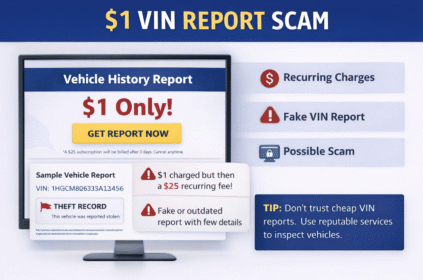
- $1 VIN Report Scam
- VIN Cloning Fraud
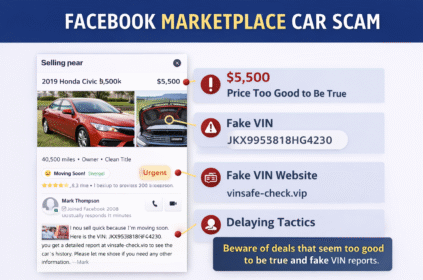
- Facebook Marketplace Car Scams
- How to Verify VIN Reports
What Is VIN Cloning?
VIN cloning (also known as vehicle identity theft) is a type of fraud scheme in which criminals take the Vehicle Identification Number (VIN) from one legitimate vehicle and assign it to another vehicle — often, a stolen one.
The VIN is a 17-character code that is unique to every vehicle. By copying this number, criminals can conceal a stolen vehicle and make it look legitimate in registration records and vehicles databases.
In this way, the bogus identity provides cover for the stolen car as they try to sell it on unsuspecting buyers.
Why Criminals Use VIN Cloning?
Profit is the primary objective of VIN cloning. A stolen car is hard to sell through legal means yet, with a clean-to-great identity, criminals can make quite the profit selling it — to the tune of thousands in purchases.
VIN cloning is most often used to:
- Conceal the identity of stolen vehicles
- Sell vehicles that had been designated total losses
- Avoid detection by law enforcement
- Raising the resale value of stolen vehicles
This kind of fraud can lead to multiple vehicles having the same VIN, which could cause major legal issues for consumers.
How VIN Cloning Scams Work
VIN cloning scams tend to work on a pretty easy-to-follow method.
- Criminals find a legitimate vehicle
- The scammers search for a vehicle of the same make, model and year as the car that’s been stolen.
- They copy the VIN
The VIN may be copied from:
- Vehicles parked in public places
- Online car listings
- Salvage yards
- Dealership vehicles
This is where the stolen vehicle gets the cloned VIN.
Criminals forge fake VIN plates, labels or paperwork that corresponds to the legitimate vehicle’s identity.
The cloned car is sold
It’s put online — usually for a little less than other similar vehicles to move quickly.
Buyers typically don’t discover that the vehicle is stolen until law enforcement investigates a duplicate VIN.
How To Protect Yourself From VIN Cloning
You can reduce the risk of buying a cloned vehicle by taking several precautions.
Check the VIN in multiple locations
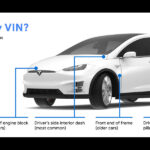
Verify that the VIN on the dashboard, door frame, engine bay, and documents all match.
Use a trusted VIN check service
Vehicle history reports can reveal inconsistencies in ownership history or registration records.
Inspect the vehicle carefully
Look for signs that the VIN plate has been replaced or altered.
Avoid suspicious sellers
If the seller refuses to provide documentation or pressures you to buy quickly, walk away from the deal.
Meet in a secure location
Avoid transactions in parking lots or remote locations where scammers often conduct fraudulent sales.
Final Thoughts
VIN cloning is a sophisticated form of vehicle fraud that can cause serious financial losses for car buyers. Criminals use stolen identities to sell vehicles that appear legitimate, making it difficult for victims to detect the scam.
Before buying a used car, always verify the vehicle’s identity and review its history carefully. Taking these precautions can help protect you from becoming a victim of VIN cloning fraud.