All You Need to Know (How They Happen & How to Protect Yourself)
It’s never been easier to buy or sell a used vehicle online. Facebook Marketplace, Craigslist and online car listing platforms make it easy for people to rapidly connect with potential buyers and sellers.
However, that convenience has opened the door for scammers, too. Currently, one of the most common types of fraud schemes includes websites offering fake VIN checks or vehicle history reports.
These scams affect both buyers and sellers of cars, commonly tricking them into paying for fake reports or giving up sensitive information.
In this guide, we’ll cover how VIN check scams work, what to look out for and the steps you can take to stay safe.
What Is a VIN Check?
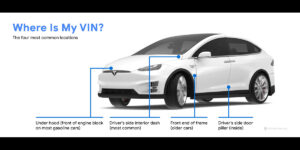
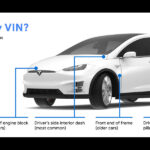
Each vehicle has a unique 17-character code called the Vehicle Identification Number (VIN). It stores information about the vehicle’s manufacturer, model, type of engine and the year it was produced.
A VIN is also needed to obtain a Vehicle History Report, which can include:
- Accident records
- Ownership history
- Mileage records
- Title status
- Theft records
- Insurance claims
When buying a used vehicle, it is very important to get a history report on the vehicle you are interested in because that can help buyers find hidden problems before they purchase the vehicle.
Sadly, this process is quickly becoming a playground for scammers.
What Is a VIN Check Scam?
A VIN check scam refers to a fraudulent scheme in which scammers deceive individuals into buying fake vehicle history reports or visiting malicious VIN lookup websites.
In many cases, the ruse starts when someone puts a vehicle up for sale online. An alleged buyer approaches the seller and tells them to purchase an automotive history report from a certain website. The buyer then disappears once the seller has paid for the report.
Typically such scam websites charge and then deliver fake or meaningless reports, or steal victims’ personal and financial information.
Reports to scam-tracking services indicate that these types of schemes have proliferated in online auto sales.
Why VIN Check Scams Are on the Rise?
Several factors have contributed to making VIN scams more prevalent in recent years:
Growth of Online Car Sales
Increasingly, vehicles do not change hands in face-to-face transactions, and scammers can reach vast numbers of sellers on websites.
Easy Creation of Fake Websites
Scammers can be up and running fake VIN check sites that look professional and real in no time.
Low-Cost Micro-Payments
Scammers will usually request a small amount, like $20–$30/report. Singapore-based sellers are highly vulnerable to this scam, which results in high profits for fraudsters with minimal loss per victim while targeting hundreds of sellers.
Personal Data Theft
Some fraudulent sites harvest credit card numbers, addresses or other personal information for later use in identity theft.
How VIN Check Scams Work
Familiarizing yourself with the typical process of a scam helps identify it sooner.
Step 1: The Fake Buyer Reaches Out to You
You list your vehicle online and soon get a text message from a prospective buyer saying he’s interested.
They might ask questions about the vehicle and act like they are considering purchasing it.
Step 2: They Request a Specific VIN Report
The buyer asks for a vehicle history report from a particular website.
They tend to say they trust reports only from that service.
Step 3: You buy the report
The site is legitimate and might charge a small fee.
As soon as you have paid for the report, they vanish and will no longer communicate with you.
In several instances, the scammer legitimately owns the fraudulent report website, meaning they make money from each victim purchasing the report!!
Common Forms of VIN Check Scams
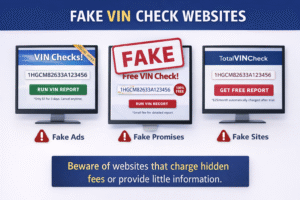
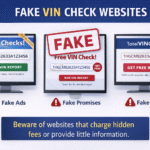
These sites falsely promise to generate detailed reports, instead offering boilerplate or fake data.
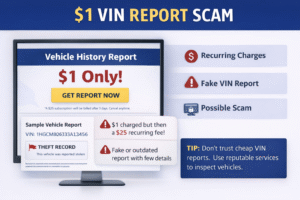
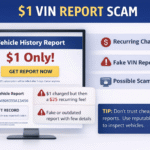
Others may even levvy a small fee and then automatically sign victims up for recurring subscription fees.
Phishing VIN Lookup Websites
Here are some sites that harvest personal data:
Credit card numbers
Email addresses
Phone numbers
They can later use this information to identity theft or financial fraud.)
Malware Download Links
The link to those files can even spot malware or spyware on your game system sometimes.
VIN Cloning
Even more sophisticated scams involve criminals copying the VIN from a lawful vehicle and placing it on the stolen vehicle to conceal its true identity.”
Red Flags of a VIN Check Scam
If you recognize any of the above, it may be a scam.
It is on a report website specified by the buyer
Most credible buyers will take reports from known providers. Unknown websites are often demanded from scammers.
Scam sites may list reports for $1 or other unusually low prices to lure victims.
Suspicious website domains
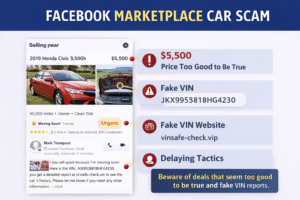
Fake VIN check sites often use unusual domain endings like “. vin” to appear authentic.
High-pressure tactics
Scammers may say things like:
“I’ll be a buyer as soon as I see the report.”
“Buy the report today so we can finalise the deal.”
The buyer disappears after payment
The scammer ceases communication once a report is purchased.
How to Avoid VIN Check Scams
With these few precautions, you can have much less risk of fraud.
- Use trusted VIN check services
- Not all VIN check websites sent by strangers are real.
- Bidder do not pay for a report
- Experts say sellers also shouldn’t buy a vehicle history report simply because a buyer asks for one.
- Research the website
- Search for reviews and complaints online before using any VIN check service.
- Avoid suspicious links
- Do not click links from strangers unless you have checked the source.
What To Do If You’re A Victim
Here’s what to do if you think you’ve fallen victim to a VIN check scam:
- Reach out to your bank or credit card company.
- Cancel any unauthorized subscriptions.
- Inform consumer protection agencies about the scam.
- Report the website online so others can be warned.
Reporting scams can also help authorities follow the trail of fraudulent networks and protect other consumers.
Final Thoughts
When buying or selling a used car, doing VIN checks is a must. They offer useful details about a vehicle’s history and assist buyers in making safer decisions.
But fraudsters are increasingly abusing the VIN report process to con individuals into paying for fraudulent services or giving away sensitive data.
Being aware of the common scams and knowing what to look for will help you protect yourself from a VIN check scam so you can make better decisions about online vehicle transactions.