VIN Check Scams: Complete Guide
How to Verify a Legitimate Vehicle History Report
One of the most crucial tools for buying or selling a used car is a vehicle history report. These reports, which help you learn more about a car’s accident history, ownership history, mileage records and title status.
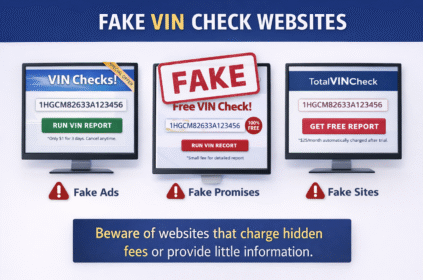
But scam VIN report sites and forged vehicle reports are on the rise as cons target buyers and sellers. Learning how to check the authenticity of a vehicle history report can help you stay protected from fraud and make safer vehicle transactions.
For a more comprehensive overview of all type of VIN related scams visit our guide on VIN check scams.
VIN Scam Guides
- Vin Check Scams
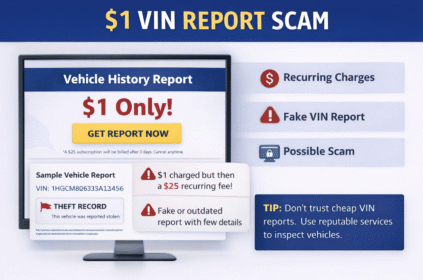
- $1 VIN Report Scam
- VIN Cloning Fraud
- Facebook Marketplace Car Scams
- How to Verify VIN Reports
What Is a Vehicle History Report?
A vehicle history report is a document created based on a car’s Vehicle Identification Number (VIN). It collects data from a number of sources, including insurance records, vehicle registration databases, repair facilities and government agencies.
A trustworthy vehicle history report should contain:
- Accident and damage history
- Title records (clean, salvage, rebuilt)
- Mileage records
- Ownership history
- Recall information
- Theft records
Legitimate providers will generate reports with detailed information derived from multiple data sources and not high-level summaries.
Why Fake Vehicle Reports Exist
Scammers generate counterfeit vehicle reports that can make cars look safer or more precious than they are.
As an example, certain fraudulent reports may omit key information, like prior accidents, title problems or major repairs. In other instances, schemers might choose to just create boilerplate report without actual vehicle information.
These phony reports are typically used in scams that target people who are buying or selling cars online.
Signs of a Legitimate Vehicle History Report
There are a few things you can do to confirm that the vehicle history report is legitimate.
Make Sure the Report Comes From an Impeccable Source
A report of a result is most trustworthy when it comes from one of an approved list of providers.
The U.S. government’s National Motor Vehicle Title Information System (NMVTIS) has a roster of approved providers that sell legitimate vehicle history reports at a cost.
If a report emerges that does not come from an established or verified provider, you should do your own digging before giving the report credence.
Look for Detailed Vehicle Data
Legitimate vehicle reports usually include:
- Multiple ownership records
- Insurance claims
- Accident reports
- Maintenance or service records
Then look for something like vehicle specifications or other specific information in the report rather than superficial text; Compatible reports have become generic in nature.
Verify the Website Security
Be cautious and examine the web address when buying a vehicle history report.
Secure websites typically start with “https” and show a lock icon in the address bar of the browser. Look out for red flags in URL, Suspicious websites often have suspicious-looking domain names or lack security indicators.
Scammers at times attempt to use deceptive domain endings like “. vin” to make their websites look legitimate.
Look for Pressure From Buyers or Sellers
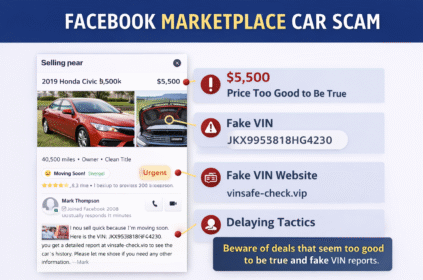
One of the common scams involves when someone asks you to get a vehicle history report on a certain website.
Scammers frequently reach out to people selling vehicles and push them to purchase reports from unfamiliar sites, consumer protection groups have said.
If someone presses you to use a certain service, run away.
Compare Multiple Reports
Occasionally, scam artists modify or change reports for vehicles to conceal important information.
Avoid relying on a single report; experts recommend confirming vehicles’ history among several databases.
If a proper car history report reveals any discrepancies in the information, look deeper before you decide to purchase that vehicle.
Additional Safety Tips for Buyers
Even if a vehicle history report appears legitimate, it should not be your only source of information.
Experts recommend taking additional precautions such as:
- Having the vehicle inspected by a trusted mechanic
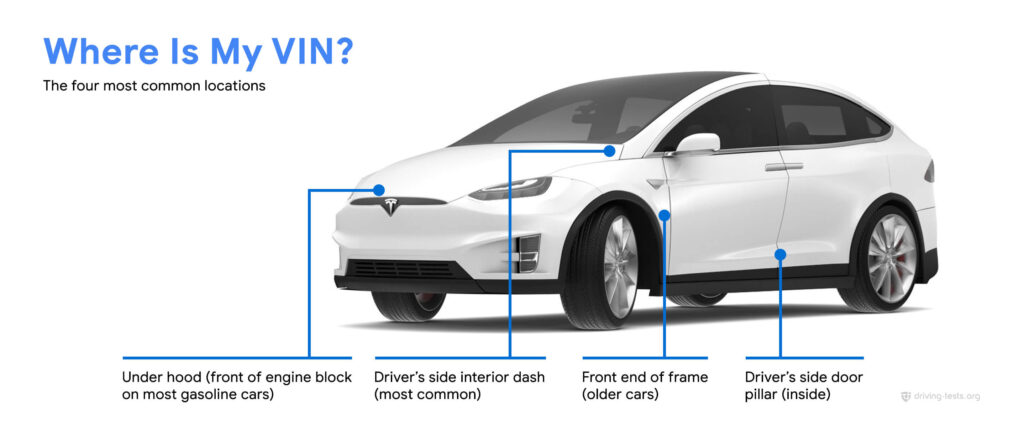
- Checking the VIN in multiple locations on the vehicle
- Researching the seller’s reputation
- Verifying ownership documents
- A vehicle inspection can reveal problems that may not appear in the history report.
What to Do If You Receive a Fake Vehicle Report
If you suspect that one of these vehicle history reports has been faked or tampered with, here are the steps to take:
- You shouldn’t use the report as the basis for your purchase decision.
- Get direct report from trusted provider.
- File a complaint with consumer protection agencies against the website or seller.
- Alert other buyers or sellers to the potential scam.
- Reporting it can stop other people from being scammed.
Don’t rely solely on what the seller tells you—trust the VIN to tell the real story.
Final Thoughts
Vehicle history reports are useful for understanding a car’s past and spotting potential issues before purchasing. Yet fake VIN report sites and phony reports from them are now becoming a common method that scammers use.
Protect yourself from vehicle history report scams by verifying the source of the report, thoroughly reviewing the data and avoiding dubious websites.