VIN Check Scams: Complete Guide
Why Cheap Vehicle Reports Can Cost You More
Several websites offer “$1 VIN checks” or incredibly cheap vehicle history reports. At first blush, this may seem like a good deal relative to standard vehicle history services.
But much of what you see is an online scam that has become common among car buyers and sellers.
Knowing what the $1 VIN check scam is can help you prevent losing money or having your financial information stolen.
What Is a $1 VIN Check Scam?
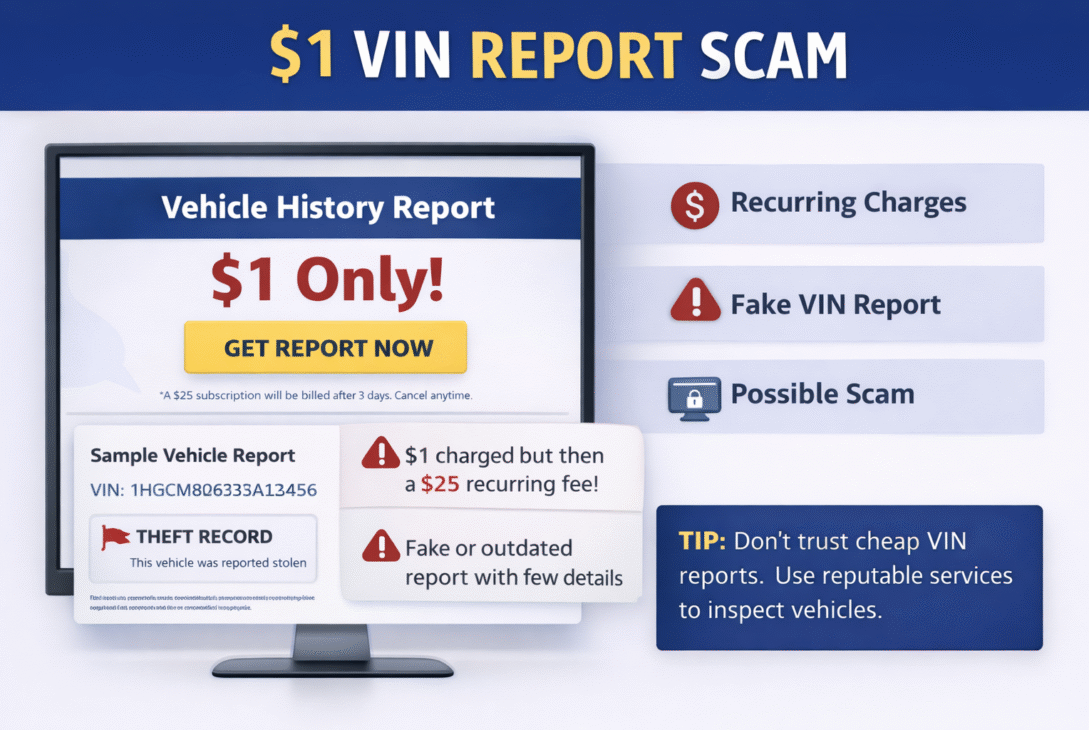
A $1 VIN check scam is a scheme where fraudulent websites advertise vehicle history reports for only $1. These websites claim to provide important information about a vehicle, such as accident history, title records, and ownership details.
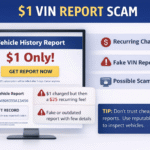
But the offer is typically deceptive. Many victims say that after being charged a $1 fee, they were hit with additional hidden fees or signed up for recurring subscriptions without their knowledge.
In some cases, victims are charged $29.95 or more shortly after making the $1 payment, even though they believed they were paying only a small one-time fee.
Why Scammers Use the $1 Price
The very low price aims to build the urgency and inspire trust.
The logic is that most people don’t believe $1 to be a significant enough risk, and will therefore provide their credit card information. Once scammers have payment information, they can:
- Charge hidden subscription fees
- Collect personal data
- Smuggling stolen financial data to other networks of criminals
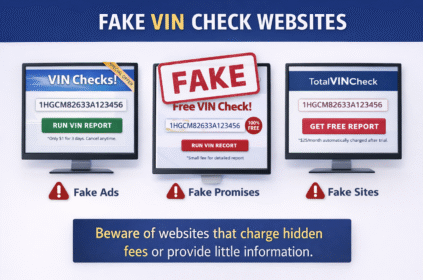
Some websites advertise low prices, but bury additional charges in the fine print, experts warn.
THE $1 VIN SCAM: HOW DOES IT WORK?
The scam typically follows a straightforward process.
You buy a dirt cheap VIN report online
So, in your quest to get a vehicle history report, you stumble across a site offering up the VIN report for just $1.
The site looks legitimate
Many scam sites are well designed and may use real-looking logos or make claims about their databases of vehicles.
You enter your payment information
The site requests a credit card for the $1 Low Cost Payment.
Hidden charges appear later
Victims then notice additional charges on their credit cards after completing a purchase.
Some of the accounts show consumers who paid $1 for a report only to be charged nearly $30 in fees or subscriptions
Warning Signs of a $1 VIN Check Scam
Here are some red flags to watch for:
Extremely low prices
Actual vehicle history reports usually run far more than a dollar because they need to query several databases.
Hidden subscription terms
Websites with a monthly membership option often automatically enroll you in it after your first payment.
No company information
Many scam VIN sites do not provide customers with adequate contact information or registered company details.
Generic reports
It is an obvious fact that some fake services produce generic templates rather than real vehicle data.
Real Experiences From Victims
According to reports on scam tracking databases, many victims were charged significantly more than the advertised $1 fee once they made the payment.
One consumer claims that they paid $1 for a vehicle history report after being told that this payment was only a one time fee of, but would be charged immediately $29.95.
One other victim had several fraudulent charges posted on her account after she entered her payment data on the VIN report website.
These reports show just how prevalent these scams have become with online vehicle transactions.
How to Avoid the $1 VIN Report Trick
A few basic safeguards can help protect yourself.
Avoid extremely cheap VIN checks
You should not trust a vehicle history report that is $1, since the information may be inaccurate or diluted.
Research the website
The search for reviews or complaints about the service before even entering your payment details.
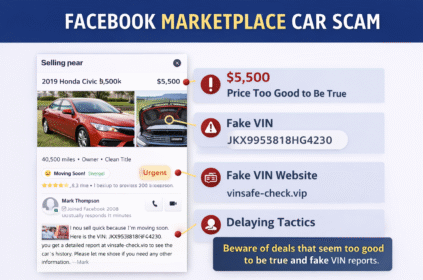
Don’t click on hyperlinks from unknown buyers
In one recent tactic, when negotiating a car purchase, scammers will send links to phony VIN report sites.
Use trusted vehicle history providers
Buy reports only from trusted services or official vehicle history providers.
Paid for a $1 VIN Report? Here’s What To Do
If you think you’ve been duped by a $1 VIN check scam, act quickly.
- Reach out to your bank or credit card issuer.
- Cancel any unauthorized subscriptions.
- Keep an eye on your account for further charges.
- File a report with consumer protection agencies.
Final Thoughts
Fraudsters offer rock-bottom prices to lure people into giving up their payment info or enrolling in secret subscriptions.
Always do research on the service before you pay for a vehicle history report to ensure that it is a bonafide provider.
The best defense against VIN-related scams is to remain vigilant and aware.