Introduction:
If you’ve ever shopped for a car, sold one, or simply been curious about a vehicle’s details, you’ve probably encountered the term VIN—short for Vehicle Identification Number. At first glance, a VIN may look like a random string of numbers and letters. However, these 17 characters contain a wealth of information about a vehicle’s identity, history, and features. To unlock all that valuable information, you need a VIN decoder. In this guide, I’ll explain what a VIN decoder is, how it works, and why it’s an essential tool whether you’re buying, selling, or just learning more about a car.
What is a VIN Decoder?
A VIN decoder is a tool that takes a vehicle’s VIN and “decodes” it to reveal detailed information about the vehicle. Think of a VIN as a car’s fingerprint—unique to each vehicle and never reused. Each section of the VIN has a specific meaning, providing information about the car’s:
- Make and Model: Reveals the brand (like Toyota, Honda, etc.) and the specific model (such as Camry, Civic, etc.)
- Year of Manufacture: Tells you the exact year the vehicle was built.
- Engine Type: Shows whether it has a 4-cylinder, V6, hybrid, or electric motor.
- Manufacturing Plant: Indicates where the vehicle was assembled.
- Trim Level: Helps you understand whether the car is a basic model or a more luxurious version.
- Body Style: Tells whether it’s a sedan, truck, SUV, hatchback, etc.
- Transmission and Restraint System: Specifies whether the car has an automatic or manual transmission and what type of airbags and seatbelts it has.
- Serial Number: A unique code assigned to that specific vehicle.
By decoding the VIN, you gain access to all of this information, helping you make more informed decisions.
Why Should You Use a VIN Decoder?
You might wonder, “Why should I bother decoding a VIN?” The truth is, a VIN decoder can save you time, money, and even protect you from potential scams. Here’s how:
1. Discover the Car’s True Identity
Sellers (especially private sellers) might misrepresent a car’s features, trim, or year. By decoding the VIN, you can confirm what you’re actually getting. For example, you’ll be able to verify if the “sports package” actually exists, or if it’s just a lower trim dressed up to look fancy.
2. Reveal the Vehicle’s History
Many VIN decoders link to databases that track a car’s accident history, title status, and even maintenance records. This is crucial for used car buyers. You’ll want to know if the car has been in an accident, if it has a salvage title, or if the odometer has been tampered with. These insights help you avoid bad investments.
3. Check for Recalls and Safety Alerts
Manufacturers often recall vehicles to address safety issues. A VIN decoder can check if the vehicle you’re considering is subject to any open recalls. This is about more than saving money—it’s about keeping you and your passengers safe.
4. Negotiate a Fair Price
Knowing the exact model, trim, and features helps you understand a car’s true value. By decoding the VIN, you can avoid overpaying or getting duped by an inflated asking price. After all, dealerships and insurance companies use VIN info for pricing, so why shouldn’t you?
5. Peace of Mind
Even if you’re not buying or selling, decoding your own car’s VIN gives you a clearer picture of what you’re driving. You’ll know what parts fit, what features you have, and gain a sense of control over your vehicle’s history and specifications.
How Do You Decode a VIN?
There are two main ways to decode a VIN:
Manual Method:
Technically, you could look up each character’s meaning using a VIN reference chart. However, this is time-consuming and confusing, as each manufacturer codes things slightly differently.
Online VIN Decoders:
The easiest and most efficient way is to use an online VIN decoder. Here’s how:
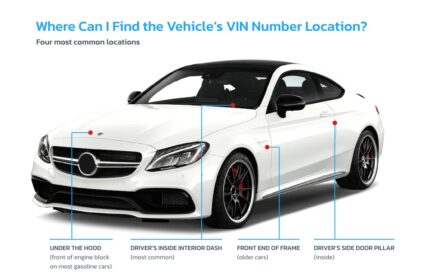
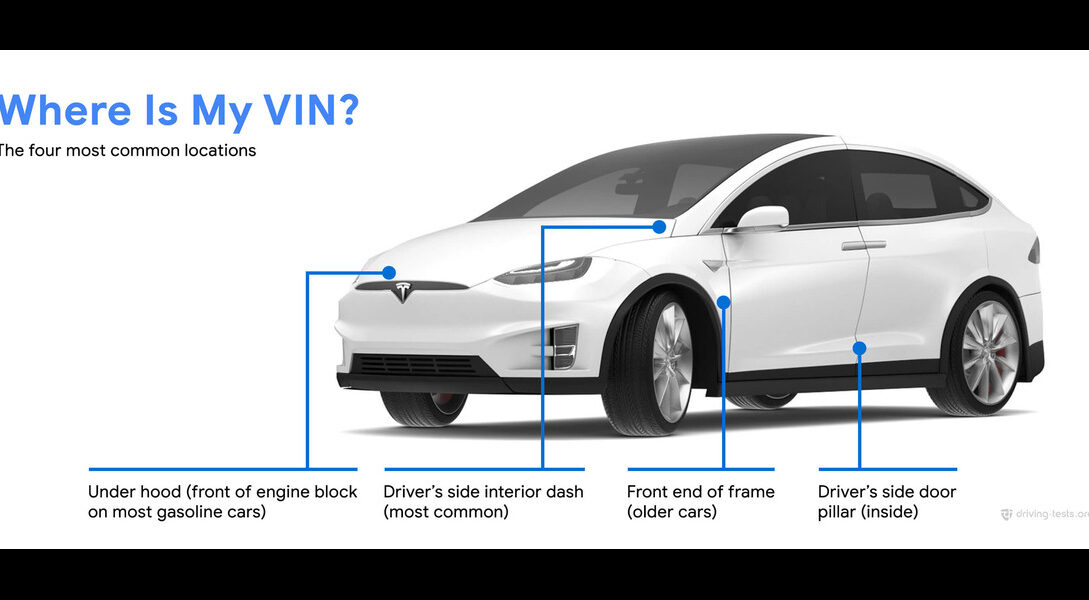
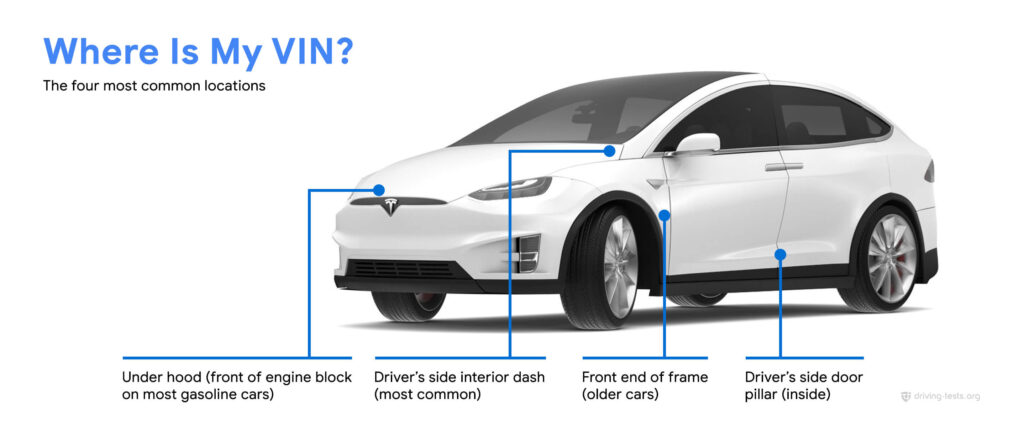
- Find the VIN: You can find it on the windshield, the driver’s side door jamb, or on your vehicle registration/insurance card. The VIN is always 17 characters long.
- Go to a VIN Decoder Website: Many websites offer free or paid VIN decoding services. Choose a reputable one.
- Enter the VIN: Simply type or paste the VIN into the provided search box.
- Read the Report: Within seconds, you’ll receive a detailed breakdown of the vehicle’s specifications, and sometimes even a history report. Some services offer in-depth history, including past accidents, service records, and more.
For higher-value purchases, it’s worth paying for a full report to ensure you get all the relevant details.
Where to Find a Good VIN Decoder
There are plenty of trusted VIN decoders available online. Look for sites with good reviews, clear privacy policies, and comprehensive reports. Be sure to choose a service that’s known for providing reliable and accurate information.
Conclusion
A VIN decoder is like a secret key that unlocks a vehicle’s hidden story. Whether you’re buying, selling, or just curious, decoding the VIN gives you access to accurate information, peace of mind, and the power to make better decisions.
Don’t rely solely on what the seller tells you—trust the VIN to tell the real story.